Central Air Replacement Cost Guide for Toms River & Ocean County Homeowners
August 11, 2026
Whole-Home UV Air Purification Systems: What They Actually Do for Your Air
August 25, 2026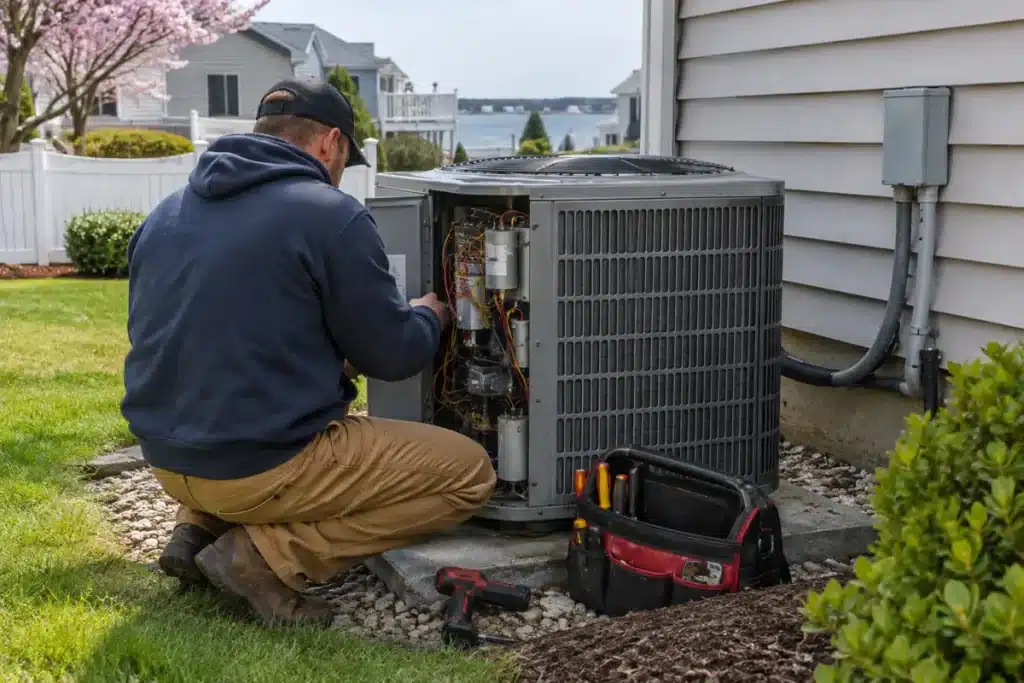
Quick answer: A spring AC tune-up checklist includes changing filters, cleaning condenser coils, checking refrigerant levels, calibrating the thermostat, and testing electrical connections and airflow. Scheduling this service in spring, before Toms River’s humid summer arrives, helps catch small problems and keeps cooling bills in check.
Key takeaways
- A spring AC tune-up should include filter replacement, coil cleaning, refrigerant level checks, thermostat calibration, and electrical testing before summer humidity sets in.
- Scheduling service in spring rather than June or July usually means shorter wait times and lower rates, since HVAC companies get busiest once the heat arrives.
- ENERGY STAR notes that airflow problems can reduce system efficiency by up to 15 percent, driving up cooling bills.
- Homeowners can safely handle filter changes and outdoor unit debris removal, but refrigerant, electrical, and coil work should go to a licensed HVACR technician.
- Shore and vacation homes in Ocean County face extra strain from salt air and storm debris, making spring inspections especially worthwhile along the coast.
Why Spring Is the Right Time for an AC Tune-Up
Spring is the window between heating season and the first real heat wave, which makes it the best time to inspect a central air system before you actually need it. ENERGY STAR recommends having a contractor check your cooling system in spring and your heating system in fall, timed loosely around the clock changes, so problems surface while there is still time to fix them without a frantic same-day call.
Along the Jersey Shore, this timing matters even more. Salt air accelerates corrosion on outdoor condenser coils and electrical contacts, and winter storms can leave debris packed around the compressor. A spring check catches that damage before the unit is asked to run for weeks straight in July humidity.
Scheduling early also tends to be easier on your wallet. According to This Old House, HVAC companies are usually busiest during summer when homeowners need urgent repairs, and rates often rise for last-minute or same-day appointments. Booking in March or April generally means more flexible scheduling and a more thorough visit, since the technician is not rushing between emergency calls.
The Homeowner Part: What You Can Check Yourself
You do not need a license to handle a few basic steps before your professional tune-up. These basic tasks can help prevent common cooling problems, provided you follow the equipment manufacturer’s safety instructions.
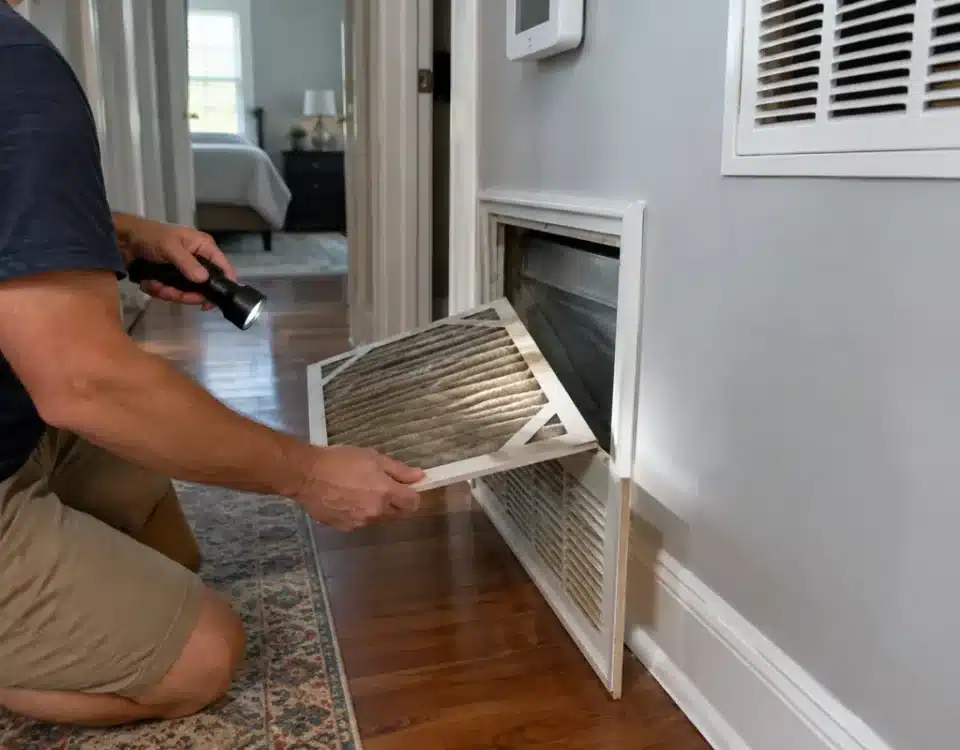
- Replace or clean the air filter. A clogged filter blocks airflow, forces the system to run longer, and according to the D.K. Sledzik HVAC FAQ, can contribute to mold growth and reduced efficiency. Inspect the filter regularly during cooling season and replace or clean it according to the filter and equipment manufacturers’ instructions; homes with pets, smoke, renovation dust, or heavy system use may need more frequent attention.
- Clear debris around the outdoor condenser. Leaves, grass clippings, and storm debris restrict airflow into the unit and can damage the fan or coil fins. Keep at least two feet of clearance on all sides.
- Check the thermostat batteries and settings. Weak batteries or an outdated schedule can cause the system to run more than it should. The U.S. Department of Energy’s Energy.gov recommends a setting around 78 degrees when you are home, with a 7 to 10 degree setback while away to save on cooling costs.
- Look for water pooling near the indoor unit or condensate line. A small amount of condensation outside is normal, but dripping indoors or standing water near the air handler usually signals a clogged drain line or a bigger problem worth a professional look.
- Inspect the outdoor coil fins without touching them. If fins are bent or the coil looks corroded or heavily coated with salt residue, ask a technician to inspect and clean it to avoid damaging the coil or contacting electrical components.
For plain-language explanations of system parts you may hear mentioned during service, see our guide to common HVAC terms.
What a Professional AC Tune-Up Includes
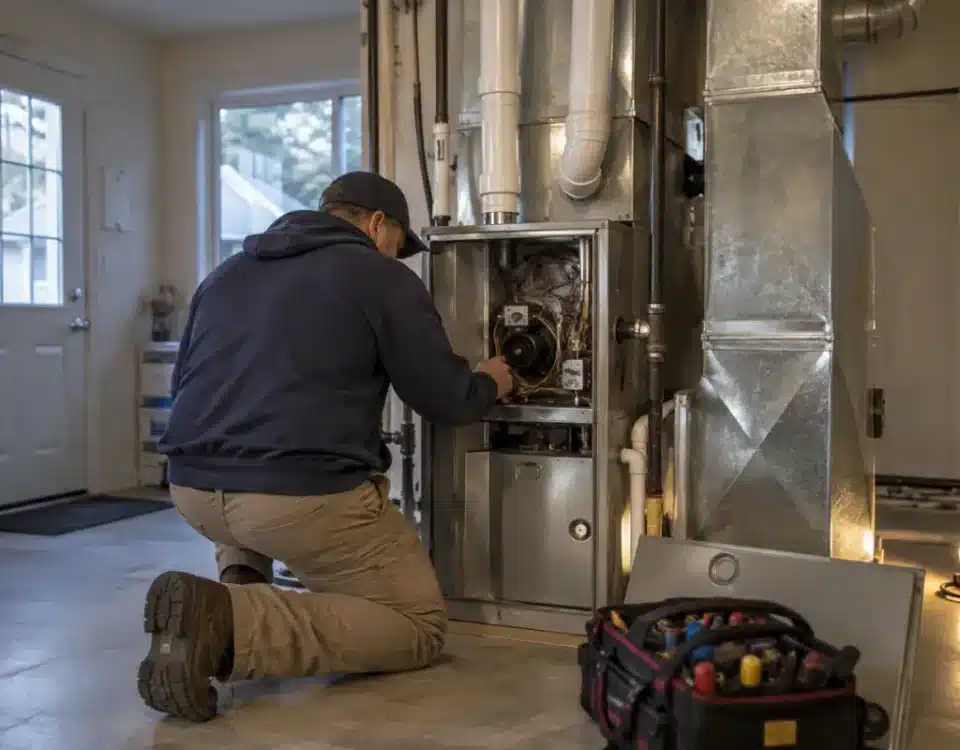
A licensed technician’s visit goes well beyond what a homeowner can safely check. ENERGY STAR’s maintenance checklist identifies typical professional steps such as checking controls and electrical connections, inspecting the condensate drain, cleaning coils, checking refrigerant charge, and assessing airflow.
| Task | Why it matters |
|---|---|
| Refrigerant level check | Too much or too little refrigerant makes the system less efficient and can shorten equipment life, according to ENERGY STAR |
| Condenser and evaporator coil cleaning | Dirty coils force the system to run longer to reach the same temperature, raising energy costs |
| Electrical connection tightening and voltage test | Loose connections are a safety hazard and can shorten motor life |
| Condensate drain and pan inspection | A clogged drain line can cause indoor water damage and raise indoor humidity |
| Blower motor and airflow test | Confirms the system is moving enough air to cool the home evenly |
| Thermostat calibration | Improper calibration can spike electric usage and throw off indoor comfort |
| Capacitor and compressor check | A failing capacitor can prevent a motor from starting properly and may contribute to motor damage if left unaddressed |
Each of these steps answers a different question about system health, and skipping one can mean a hidden problem goes unnoticed until it turns into a breakdown mid-summer.
Refrigerant Checks: What Homeowners Get Wrong
Refrigerant is one of the most misunderstood parts of an AC tune-up. Many homeowners assume refrigerant runs low over time the way gasoline does in a car, but a properly sealed system should not need recharging unless there is a leak. If a technician finds your refrigerant level low, that is a signal to find and fix the leak, not just top it off.
Frozen evaporator coils can result from low refrigerant, restricted airflow, or other faults and require diagnosis before the system is run again. If your system has ever iced up or stopped blowing cold air, our article on why your central air isn’t cooling covers the most common causes in more detail.
HomeAdvisor estimates a refrigerant recharge typically costs $200 to $500, though the exact price depends on refrigerant type and how much is needed. That range does not reflect any specific contractor’s pricing and will vary by region and system size, so treat it as a ballpark for budgeting rather than a quote.
Coil Cleaning and Salt Air: A Jersey Shore Consideration
Homes near the bay or ocean deal with a maintenance challenge that inland New Jersey homeowners rarely see: salt air corrosion. Salt-laden moisture settles on condenser coils and electrical contacts, accelerating rust and reducing the coil’s ability to transfer heat efficiently.
For year-round shore homes in Toms River, Brick, Point Pleasant, and Lacey, an annual coil cleaning is not just about dust and pollen, it is about removing salt film before it pits the metal. Vacation homes that sit closed for weeks also tend to accumulate more debris and spider webs inside the condenser cabinet, which can restrict airflow when the system is finally switched back on for the season.
If your shore home sits empty for long stretches, it is worth having a technician inspect the system each spring before the first weekend you plan to use it, rather than finding out it needs service on the hottest day of the year.
Thermostat Calibration and Smart Thermostat Upgrades
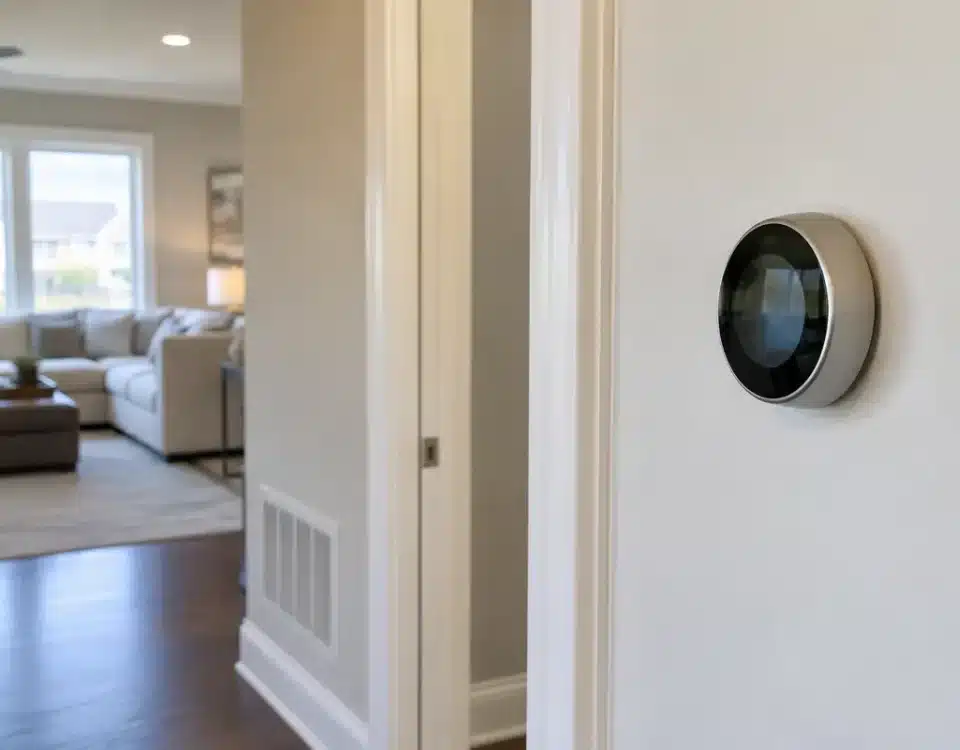
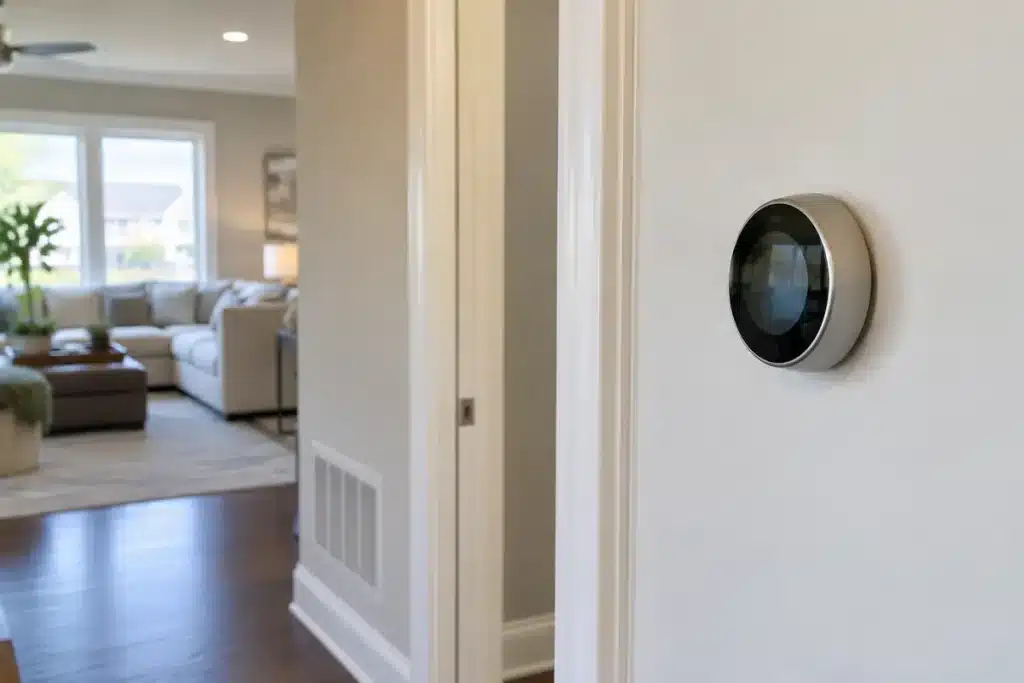
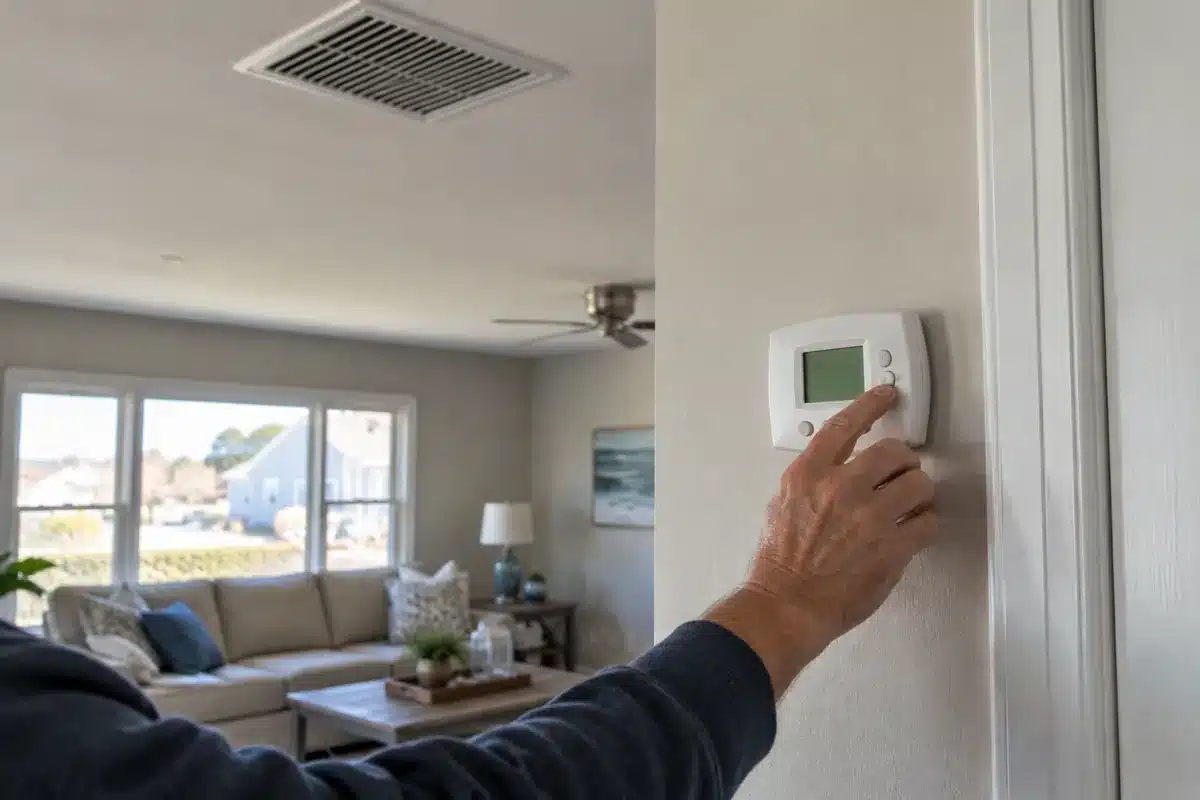
A miscalibrated thermostat can quietly inflate your electric bill without you noticing, since the system may be cooling several degrees past your actual setting. Technicians check this calibration as part of a standard tune-up, confirming the reading matches a separate thermometer placed nearby.
Spring is also a practical time to consider upgrading to a smart or programmable thermostat if you are still using an older dial or basic digital model. A smart thermostat can automate the Energy.gov-recommended setback of 7 to 10 degrees while you are away, without you having to remember to adjust it every morning.
If your current thermostat is original to the house or frequently needs manual adjustment, ask your technician about options during the same visit rather than scheduling a separate trip.
How Much Does a Spring AC Tune-Up Cost?
Tune-up pricing depends on system type, size, and how far a technician has to travel to reach the unit. This Old House reports an average central AC tune-up cost of around $143, with a typical range of $85 to $200, while ductless mini-split systems tend to run higher, averaging around $300, because each indoor head needs individual attention.
These figures are general industry averages, not a quote from any specific company, and your actual cost will depend on your system’s condition, accessibility, and whether any parts need replacing during the visit. Angi notes that a broader whole-home HVAC inspection, covering both heating and cooling components, averages around $300 but can range from $70 to $500 depending on home size and system complexity.
If a technician finds a problem during the tune-up, such as a failing capacitor or a refrigerant leak, that repair is billed separately from the maintenance visit itself. Ask for a written estimate before any repair work begins so you know exactly what you are paying for.
Maintenance Contracts: Is an Annual Plan Worth It?
A maintenance agreement may include seasonal cooling and heating visits, depending on the plan’s current terms, which can make routine service easier to schedule. D.K. Sledzik has worked with over 10,000 maintenance-contract customers over the years and offers seasonal plans for homeowners across Ocean County.
The tradeoff is straightforward: a maintenance plan has an upfront cost, while ENERGY STAR recommends annual pre-season checkups even for equipment that appears to be operating normally. For an air conditioner that runs heavily through a humid Jersey Shore summer, routine tune-ups can identify issues such as a weak capacitor, restricted airflow, or a clogged condensate drain before peak cooling season.
For a closer look at how maintenance frequency affects equipment lifespan, see our guide on how often HVAC equipment really needs maintenance. You can also compare our full list of heating and cooling services to see what is included in a seasonal agreement.
When to Call a Licensed Technician Instead of DIY
Some signs mean it is time to stop troubleshooting and call a professional rather than waiting for your scheduled tune-up. These include a burning smell from the indoor unit, water pooling inside the house near the air handler, a hissing or gurgling noise from the refrigerant lines, or a system that runs constantly without actually cooling the home.
Refrigerant handling in New Jersey is also regulated. New Jersey HVACR contractors are regulated by the State Board of Examiners of Heating, Ventilating, Air Conditioning and Refrigeration Contractors. In addition, federal EPA Section 608 rules generally require technician certification for work that could release regulated refrigerants, so refrigerant diagnosis and service should be left to a qualified HVAC professional.
D.K. Sledzik Heating & Air Conditioning has served Toms River and all of Ocean County, including Brick, Lakewood, Jackson, Manchester, Berkeley, Beachwood, Lacey, Whiting, and Point Pleasant, since 1974, and offers emergency service within 24 hours, seven days a week, including holidays. You can schedule a spring tune-up online or check our HVAC FAQ page for more answers to common cooling questions before your appointment.
Frequently Asked Questions
How long does a spring AC tune-up take?
Tune-up time varies with the system type, accessibility, number of zones or indoor units, and whether the technician finds issues requiring further diagnosis. Mini-splits and multi-zone systems can take longer because each indoor unit needs its own filter cleaning and inspection.
Can I do an AC tune-up myself?
You can handle basic homeowner tasks like changing filters, clearing debris around the outdoor unit, and checking thermostat settings. Refrigerant service and electrical testing can expose you to pressurized refrigerant and live voltage, while improper coil cleaning can damage delicate fins or electrical components; leave those tasks to a qualified HVAC professional.
What happens if I skip a spring tune-up?
Skipping maintenance does not guarantee a breakdown, but it raises the odds of one. Dirty coils and an incorrect refrigerant charge can make a system run longer and less efficiently. ENERGY STAR also notes that airflow problems can reduce system efficiency by up to 15 percent.
Is a spring tune-up different from a fall furnace tune-up?
Yes. A spring tune-up focuses on the cooling side, refrigerant, condenser coils, and the air conditioner’s electrical components, while a fall tune-up checks the furnace or boiler, heat exchanger, and combustion safety. Homes with both systems typically benefit from scheduling one visit each season.
Does a maintenance plan cover tune-ups?
D.K. Sledzik offers seasonal maintenance plans; ask what cooling and heating visits, scheduling terms, and other benefits are included in the current agreement. This can simplify budgeting and helps make sure you do not forget a season.
Will a tune-up fix my AC if it’s already not cooling?
A tune-up may correct a minor maintenance issue such as a dirty filter, but low refrigerant calls for leak evaluation and repair rather than a routine top-off. A system that has stopped cooling properly needs a diagnostic repair visit. If your AC is blowing warm air or short-cycling, that calls for a targeted repair visit rather than routine maintenance.
Sources
- ENERGY STAR Maintenance Checklist
- State Board of Examiners of HVACR Contractors – NJ Laws and Regulations
- How Much Does an AC Tune-Up Cost? | This Old House
- How Much Does It Cost to Maintain an HVAC System? | HomeAdvisor
- The All-In-One HVAC Inspection Checklist | Angi
Talk to a Local HVAC Team You Can Reach
D.K. Sledzik Heating & Air Conditioning, Inc. has served Toms River and Ocean County homeowners since 1974, with service within 24 hours, 7 days a week, including holidays, at 732-349-0389. Schedule service online or contact us with a question about your system.
Written by the team at D.K. Sledzik Heating & Air Conditioning, Inc., a family-owned HVAC contractor in Toms River, NJ since 1974. NJ Master HVACR License #19hc00168400 · NJ Home Improvement Contractor #13VH01401100.