Navien Combi Boiler Installation and Benefits for Ocean County Homes
October 13, 2026
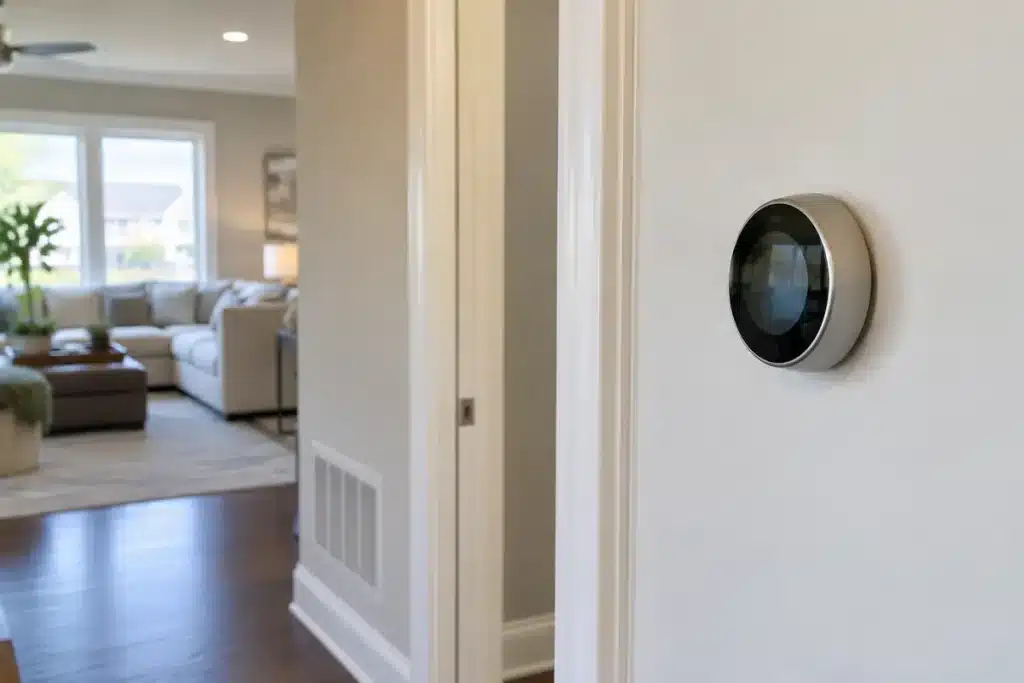
Smart Thermostat Installation in Toms River: What Homeowners Should Know
October 27, 2026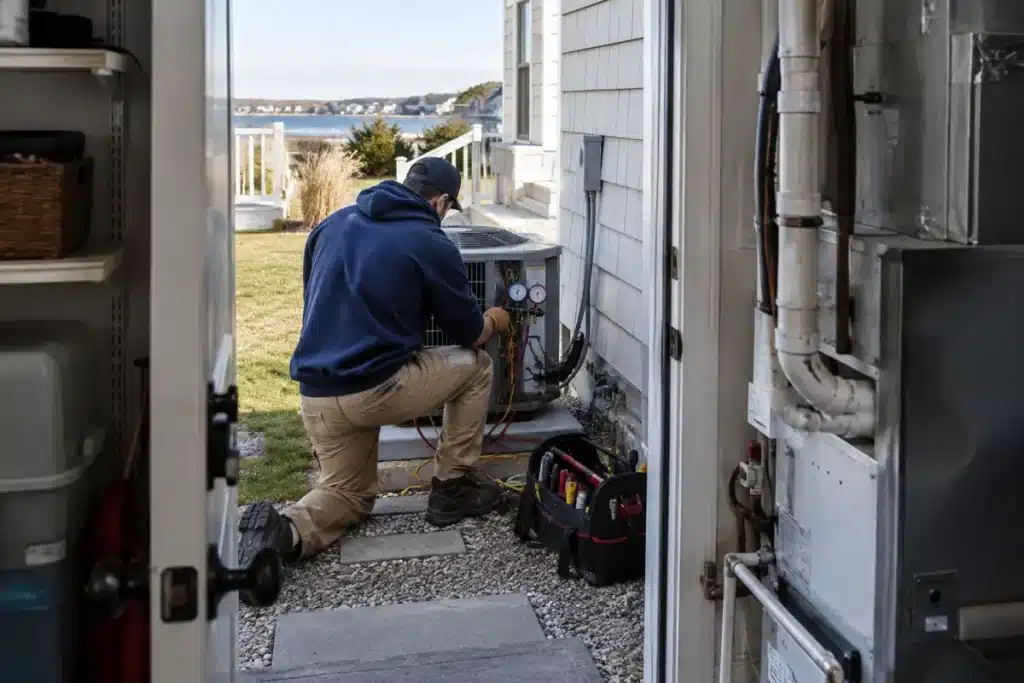
Quick answer: An HVAC maintenance contract is an annual agreement that covers seasonal tune-ups for your furnace or boiler and your central air system, plus perks like priority scheduling and discounts on repairs. For Toms River and Ocean County homes dealing with salt air, humid summers and cold winters, a plan helps catch problems early and keeps equipment running efficiently year-round.
Key takeaways
- A seasonal maintenance contract typically bundles one AC tune-up and one furnace or boiler tune-up per year into a single agreement.
- This Old House reports annual maintenance agreements average $75-$150, with bi-annual plans running $150-$300, though local pricing varies by equipment and home size.
- Jersey Shore salt air and humidity accelerate corrosion on outdoor condensers, making twice-a-year checks more valuable here than in drier inland climates.
- Good contracts include priority scheduling during peak summer and winter demand, which matters most when everyone’s AC or furnace fails on the same hot or cold day.
- D.K. Sledzik has served Ocean County homeowners since 1974 and has supported more than 10,000 maintenance-contract customers over the years.
What Is a Seasonal HVAC Maintenance Contract?
A seasonal maintenance contract is a written agreement with an HVAC company that schedules regular tune-up visits for your heating and cooling equipment, usually once before summer and once before winter. Instead of calling for a one-off appointment every time you remember your system needs attention, the visits are already on the calendar.
According to Angi, most residential HVAC service contracts include checkups, tune-ups, seasonal maintenance, and often parts and labor coverage along with priority treatment and emergency services. The exact mix depends on the company and the tier you choose, so it pays to read the fine print before signing anything.
This is different from simply knowing how often your HVAC system actually needs maintenance. That question is about timing and frequency. A maintenance contract is the mechanism that makes sure those visits actually happen instead of slipping through the cracks of a busy year.
What’s Typically Included in a Maintenance Plan
A solid seasonal plan covers both halves of your home comfort system: cooling in spring and heating in fall. ARS, a national HVAC provider, lists a full tune-up as including refrigerant level checks, thermostat calibration, electrical connection inspection, coil cleaning, condensate drain inspection, and blower component checks, according to USA Today.
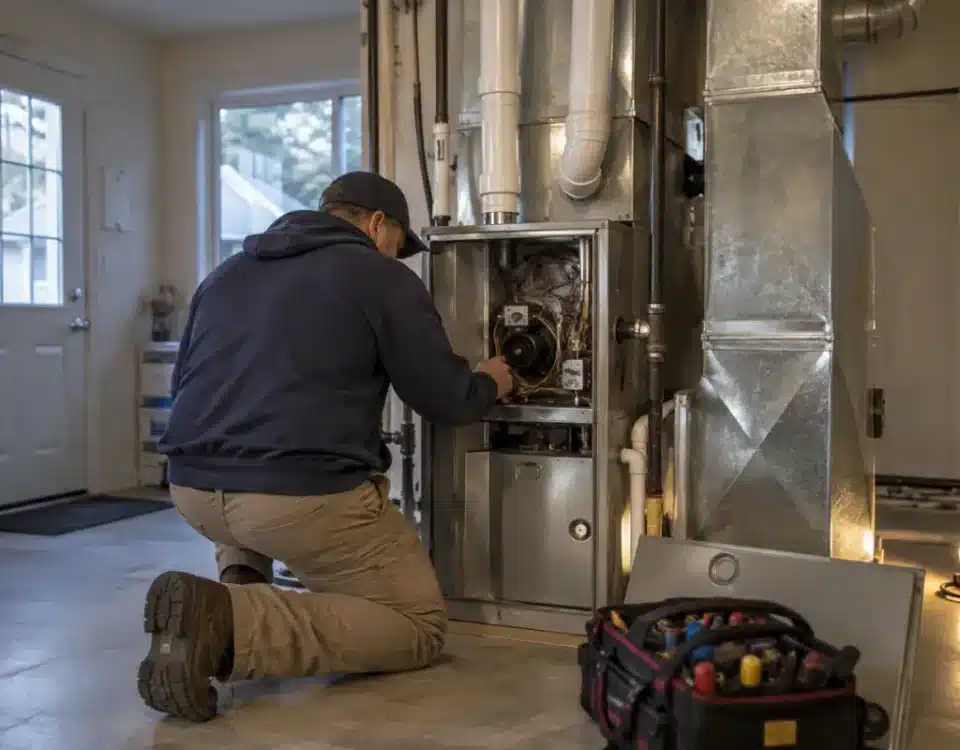
For fuel-burning furnaces and boilers, a seasonal visit may include burner and ignition-system inspection, combustion or carbon monoxide safety checks, and safety-control verification, depending on the equipment and plan. D.K. Sledzik recommends seasonal tune-ups to identify potential problems before peak heating or cooling demand.
Common Inclusions Across Most Plans
- Cooling system tune-up with coil cleaning, refrigerant check, and thermostat calibration
- Heating system tune-up with burner inspection and carbon monoxide safety testing
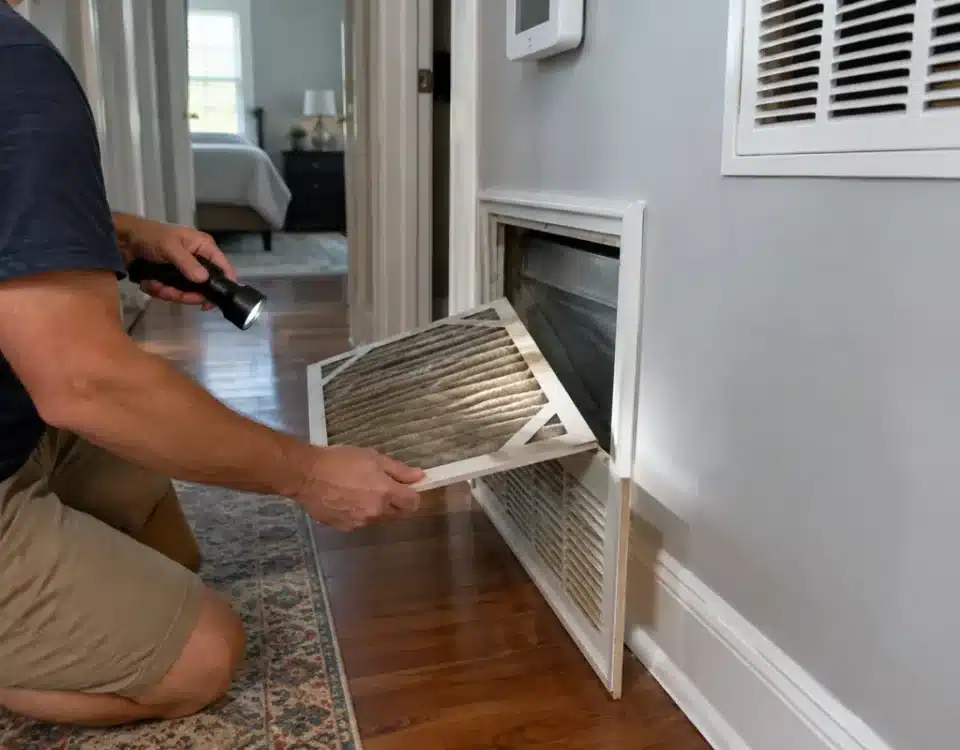
- Filter check and replacement reminders
- Visual inspection of electrical connections and moving parts
- Priority scheduling during peak demand periods
If you want a deeper look at what a spring visit specifically covers, see our Spring AC Tune-Up Checklist, and for fall, our Fall Furnace Tune-Up Checklist for Toms River Homeowners.
Why Jersey Shore Homes Benefit From Seasonal Plans
Ocean County sits close to the ocean, and salt air is tough on outdoor HVAC equipment. Condenser coils, fins, and electrical connections can corrode more quickly with coastal salt exposure, making regular inspection especially useful for Jersey Shore homes.
Humid summers push air conditioners harder and longer, while cold, damp winters stress gas furnaces and the many older boilers still common in Toms River, Brick, Lakewood, and nearby towns. Homes with multiple heating systems or both forced-air and hot-water equipment may benefit from an agreement that clearly identifies every system and component covered.
Shore and vacation homes present their own challenge. A house that sits empty for weeks at a time can develop unnoticed problems, such as frozen pipes, a failed condensate pump, or a dead thermostat battery. A maintenance contract can make it easier to keep seasonal service from being missed, but it does not provide continuous monitoring of an unoccupied home.
Plan Tiers: What to Expect
Not every maintenance agreement is structured the same way. Some companies offer a single tier that covers two visits a year. Others break plans into levels with added perks at higher price points. The table below outlines a general framework homeowners commonly see when comparing plans, based on patterns described by Angi and American Standard.
| Feature to compare | What to confirm in writing |
|---|---|
| Seasonal visits | Number of visits and which heating or cooling equipment each visit covers |
| Priority scheduling | Whether it applies to routine visits, emergency calls, or both |
| Repair discounts | Discount amount, eligible parts and labor, and exclusions |
| Filters | Whether inspection, replacement, and filter cost are included |
| Multi-system coverage | Which systems, zones, and indoor units are listed in the agreement |
If your home has ductless mini-split systems or multiple zones, ask whether each indoor unit gets inspected individually, since coverage can vary by equipment type.
Priority Scheduling and Discounts: What They’re Actually Worth
Priority scheduling matters most on the days it matters most: the first extremely hot weekend of summer or the first hard freeze of winter, when every HVAC company in Ocean County gets flooded with calls. Contract customers are typically moved ahead of non-contract callers for both routine and emergency appointments.
Repair discounts are the other common perk. These usually apply to parts and labor on top of the maintenance visit itself, though the discount percentage and what it applies to varies by provider. This Old House notes that annual maintenance agreement plans average $75 to $150, while bi-annual plans average $150 to $300, though your actual cost depends on the number of systems, their age, and the specific services included.
D.K. Sledzik offers a free service call when a heating or air conditioning repair is made and separate discounts for pre-season air conditioning installations; ask which offers can be combined with a maintenance plan.
What to Look For in the Contract
Before signing any maintenance agreement, read it the way you would any other service contract. New Jersey law distinguishes a true “maintenance agreement,” which covers scheduled maintenance only, from a broader “service contract,” which may include repair or replacement coverage, according to the New Jersey Division of Consumer Affairs Service Contracts Act. Knowing which type you’re signing changes what you can expect if something breaks.
- Confirm exactly how many visits per year are included and what season each one covers.
- Ask whether parts and labor for covered repairs are included, discounted, or excluded entirely.
- Check if multiple systems (AC, furnace, boiler, ductless units) are covered under one plan or require separate agreements.
- Ask about cancellation terms and whether the plan auto-renews.
- Verify the company is licensed to perform HVAC work in New Jersey.
- Ask what happens if you miss a scheduled visit; some plans require rescheduling within a set window.
A contractor who is upfront about these terms, rather than vague, is usually a good sign of how they’ll handle service calls down the road. You can review our HVAC FAQ for more on how maintenance visits and warranties work together.
Is a Maintenance Contract Worth the Cost?
It depends on the plan terms, equipment, and how consistently you would otherwise schedule maintenance. USA Today reports that maintenance plans typically include biannual tune-ups along with perks like priority scheduling, repair discounts, and warranty protection, which can offset the upfront cost over a year.
A contract may be less useful if you reliably schedule required tune-ups yourself and the plan’s added benefits do not justify its price. For a new system, review the manufacturer’s maintenance and documentation requirements before deciding between a plan and individual visits.
Where a contract makes more sense: older equipment, multiple systems, rental or vacation properties you can’t check on regularly, or households that simply want one less thing to remember. If you’re also considering high-efficiency air conditioning or a Navien combi boiler, manufacturer warranty terms may require regular maintenance and service records, so review the written warranty and choose a plan only if it provides the required documentation.
How D.K. Sledzik Approaches Seasonal Maintenance
D.K. Sledzik Heating & Air Conditioning has been family-owned in Toms River since 1974, and the company has supported more than 10,000 maintenance-contract customers across Ocean County over the years. That includes Toms River, Brick, Lakewood, Jackson, Manchester, Berkeley, Beachwood, Lacey, Whiting, and Point Pleasant.
As a recommended contractor of New Jersey Natural Gas, D.K. Sledzik also works with a large number of gas-heated homes in the area, including many converted from oil, electric, or propane. D.K. Sledzik services forced-air and hot-water systems, furnaces, boilers, ductless units, and central air equipment. Ask which equipment can be listed under a seasonal maintenance plan.
Emergency service is available within 24 hours, seven days a week, including holidays, often same day, which matters when a maintenance visit uncovers a problem that can’t wait. You can review the full range of heating and AC services or browse rebates and financing options if you’re weighing maintenance alongside an equipment upgrade.
Frequently Asked Questions
How much does an HVAC maintenance contract cost per year?
This Old House reports annual maintenance agreement plans average $75 to $150, while bi-annual plans average $150 to $300. Your actual cost depends on the number of systems covered, their age and type, and what repairs or discounts are bundled in, so ask any provider for a written breakdown before signing.
Can I cancel an HVAC maintenance contract early?
Cancellation terms vary by provider and should be spelled out in the agreement. Some plans allow cancellation with notice and a prorated refund, while others lock you in for the full term. Always ask about cancellation policy and auto-renewal terms before signing, and confirm whether the document is a maintenance-only agreement or a broader service contract.
Does a maintenance contract cover emergency repairs?
It depends on the plan. Some contracts include discounted repairs and priority scheduling for emergencies but do not cover the cost of parts or labor outright. Others are maintenance-only and exclude repair coverage entirely. Read the agreement carefully, or ask the provider directly, to know what happens if your system breaks down between scheduled visits.
Do I still need a maintenance contract if my system is new?
Manufacturer warranties may require regular maintenance and service records, but the exact requirements vary; check the written warranty for your equipment. A maintenance contract can help with scheduling and recordkeeping, but confirm that its services and documentation satisfy your equipment’s written warranty terms.
What’s the difference between a maintenance agreement and a home warranty?
A maintenance agreement covers scheduled tune-ups and inspections for your existing HVAC equipment. A home warranty is a separate product that may cover repair or replacement costs for a broader range of home systems and appliances, often with service fees and coverage limits. The two are not interchangeable and some homes carry both.
Sources
- HVAC Maintenance Plan 101 | Angi
- What Does HVAC Maintenance Cost? | This Old House
- Are HVAC maintenance plans worth it? Here’s the real cost vs. value | USA Today
- What Is an HVAC Service Contract and Is It Worth the Money? | American Standard
- New Jersey Service Contracts Act | NJ Division of Consumer Affairs
Talk to a Local HVAC Team You Can Reach
D.K. Sledzik Heating & Air Conditioning, Inc. has served Toms River and Ocean County homeowners since 1974, with service within 24 hours, 7 days a week, including holidays, at 732-349-0389. Schedule service online or contact us with a question about your system.
Written by the team at D.K. Sledzik Heating & Air Conditioning, Inc., a family-owned HVAC contractor in Toms River, NJ since 1974. NJ Master HVACR License #19hc00168400 · NJ Home Improvement Contractor #13VH01401100.